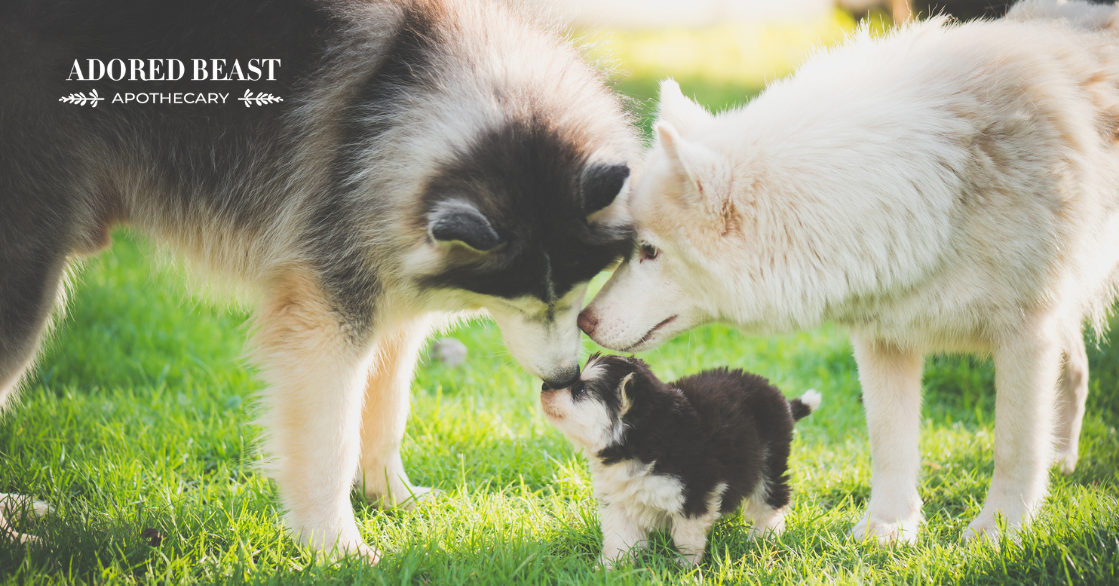
Right now, our youngest, Jones, is shedding. A LOT. She’s a mix of who knows how many breeds (we call her our little Heinz 57 pup), but there’s no doubt a big portion of her genetic makeup is husky. My heart dog, Inuk, was a purebred husky, and she shed a lot, too. We are well used to the fur cyclones that take over the house, car, clothing, etc., this time of year (spring). At this point, it’s unavoidable, and so we embrace it. It’s affectionately known as dog glitter.
Of course, it’s not only huskies that shed. Most dogs drop fur throughout the year, and many drop their coats in the spring and fall in a major way. And if you have a dog that sheds a lot (or even a little), you’ve probably wondered at least once in your life, can you reduce dog shedding?
Well… you can’t stop it, that’s for sure. The shed stays. But, you might be surprised to learn that there are ways to manage it and even lessen the onslaught of the fur tornado…
Why Do Dogs Shed?
Shedding is a natural process where dogs lose old, damaged, or excess hair so new hair can grow in. It’s a normal part of maintaining a healthy coat.
A dog’s shedding level depends on several factors, including:
- Breed and genetics
- Coat type
- Time of year
- Age
- Diet and overall health
- Hormones and stress levels
Many dogs shed more heavily during seasonal transitions, especially in the spring and fall. This is often called “blowing their coat.” That’s what Jones is going through right now.
In the spring, dogs lose their thick winter undercoat to prepare for warmer weather. In the fall, they may shed lighter summer fur as the winter coat begins to grow in.
Indoor dogs exposed to artificial lighting and climate-controlled homes may shed more evenly year-round instead of having dramatic seasonal coat changes.
Some shedding is perfectly healthy. However, excessive shedding, bald spots, itchy skin, or dull fur can sometimes signal an underlying issue.
Breeds That Shed More
Some dogs are simply built to shed more than others.
Heavy shedders often include breeds with thick double coats, such as:
- Golden Retrievers
- Labrador Retrievers
- German Shepherds
- Huskies
- Alaskan Malamutes
- Bernese Mountain Dogs
- Corgis
These coats are designed to protect dogs from temperature extremes, and part of that protection involves regularly releasing old fur.
On the other hand, breeds like Poodles, Bichon Frises, and many terriers tend to shed less because their hair grows differently.
But “low shedding” doesn’t always mean “low maintenance.” Dogs with continuously growing coats often require frequent grooming to prevent matting.
Can Nutrition Help Reduce Dog Shedding?
It might sound strange, but what’s in the bowl can actually help a lot when it comes to shedding. Healthy skin and coat start from the inside out.
Poor nutrition can contribute to dry skin, brittle fur, inflammation, and excessive shedding. Feeding a balanced, species-appropriate diet rich in nutrients can make a noticeable difference in coat quality.
- Omega-3 Fatty Acids: Omega-3s help support healthy skin, reduce inflammation, and keep coats soft and shiny.
- High-Quality Protein: Hair is primarily made of protein, so dogs need adequate, high-quality protein to maintain healthy fur growth. In fact, 30% of your dog’s protein needs go toward hair growth, so you have to make sure they’re getting enough
- Probiotics: Probiotics support both the skin and gut microbiomes, making them great for shedding. Probiotics help restore healthy hair follicles and soothe inflammation.
- MCT Oil: Made from coconuts, MCT oil helps alleviate dry skin and improve coat health, which can result in less shedding. It nourishes the skin’s moisture barrier and contributes to coat smoothness.
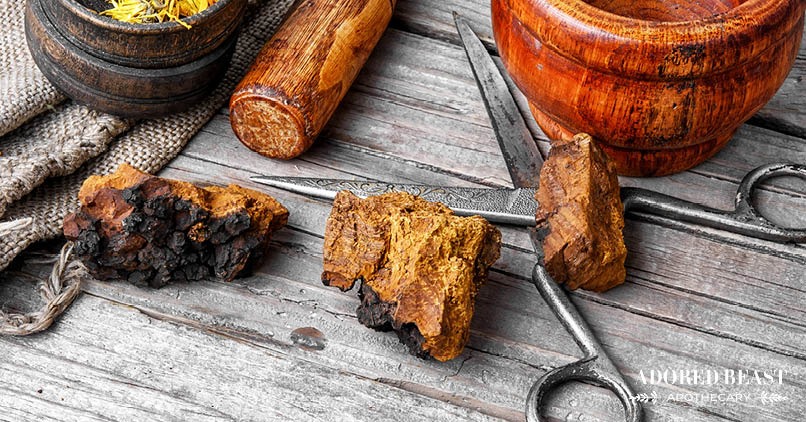
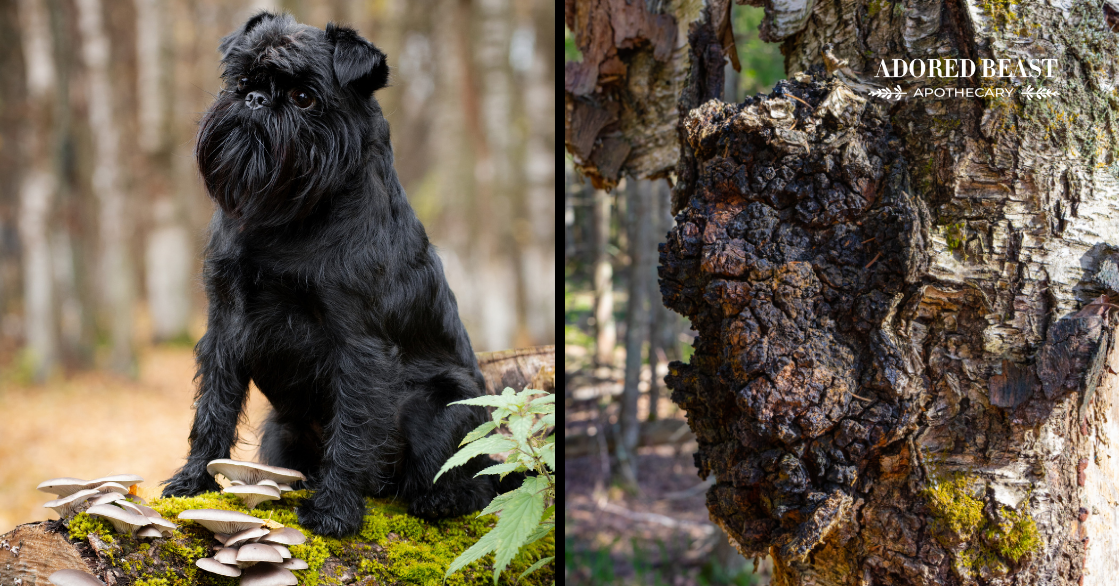
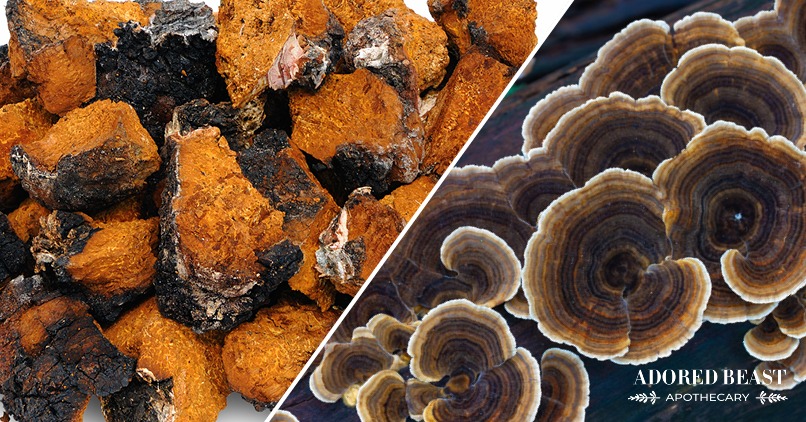
- Antioxidants: Antioxidants protect skin cells from free radical damage, promoting a healthy, strong coat and reducing inflammation that leads to hair loss. Lots of foods contain antioxidants (read this next), but you can also go for something even more powerful, like phytoplankton or chaga mushrooms!
- Hydration: Go for the H2O. Dry skin can worsen shedding. Making sure your dog stays well hydrated is important for overall skin health.
Grooming Can Make a Big Difference
You may not be able to stop shedding, but regular grooming can help manage loose fur before it ends up coating your entire home. Sure, you’ll still have to vacuum many times a day/week/hour – but it might only be once, instead of 17 times.
Brush Regularly
This one’s probably a no-brainer. Frequent brushing removes dead hair and distributes natural oils throughout the coat. It also lets you capture the hair before it starts to fly all over the place!
Different coat types need different brushes:
- Slicker brushes for long-haired dogs
- Undercoat rakes for double-coated breeds
- Rubber grooming mitts for short-haired dogs
During heavy shedding seasons, daily brushing can help tremendously.
Quick Tip: If your dog is new to brushing, it may take them some time to get used to it. You don’t want this to be a stressful exercise, so go slow, take it easy, use treats if necessary, and let them find their own level of comfort.
Bathe Appropriately
Now, this one tends to be a little controversial. Some swear by regular bathing to keep dog shedding to a minimum, but all this does is dry out the skin and potentially worsen shedding. You want to protect the balance of the skin microbiome – that friendly bacteria is important for skin and coat health – and you don’t want to have to deal with dandruff on top of the shedding. Plus, most dogs really don’t need regular, weekly baths.
If you do bathe, make sure you are choosing a dog-safe shampoo! And no, that doesn’t necessarily mean grabbing the first “dog shampoo” you see on the shelf. Read this post next to figure out what to look for and what to avoid: Is Your Dog’s Shampoo Safe?
Professional Grooming
Some dogs benefit from regular professional grooming, especially those breeds with dense undercoats. A proper deshedding treatment can remove a surprising amount of loose fur safely. Inuk used to have standing grooming appointments twice a year – once in the spring and once in the fall, and man, did they make a difference!
Just remember, some dogs do not do well with grooming, so try to find a groomer with great reviews, one that knows how to keep a calm environment and reduce stress.
When Shedding May Signal a Problem
Normal shedding is just that – normal. As mentioned, it’s a regular, healthy way for your pup to maintain their own coat. However, it should not leave your dog with irritated skin or bald patches.
Talk to your veterinarian if you notice:
- Sudden excessive shedding
- Red or inflamed skin
- Constant scratching
- Hair loss in patches
- Dull or thinning coat
- Changes in appetite or energy
Issues like allergies, parasites, hormonal imbalances, stress, or nutritional deficiencies can all impact coat health. If something doesn’t look or feel right, trust your gut.
So, Can You Really Reduce Dog Shedding?
To some extent, yes. Healthy nutrition, proper grooming, hydration, and overall wellness support can help keep your dog’s coat healthy and reduce excessive shedding.
But at the end of the day… dogs shed. That’s just part of sharing your life with them. Learning to live with a little fur on your floors, your couch, and your black pants is practically a rite of passage for dog lovers. There’s a reason we call it dog glitter – and honestly, getting used to it may be the best shedding solution of all.