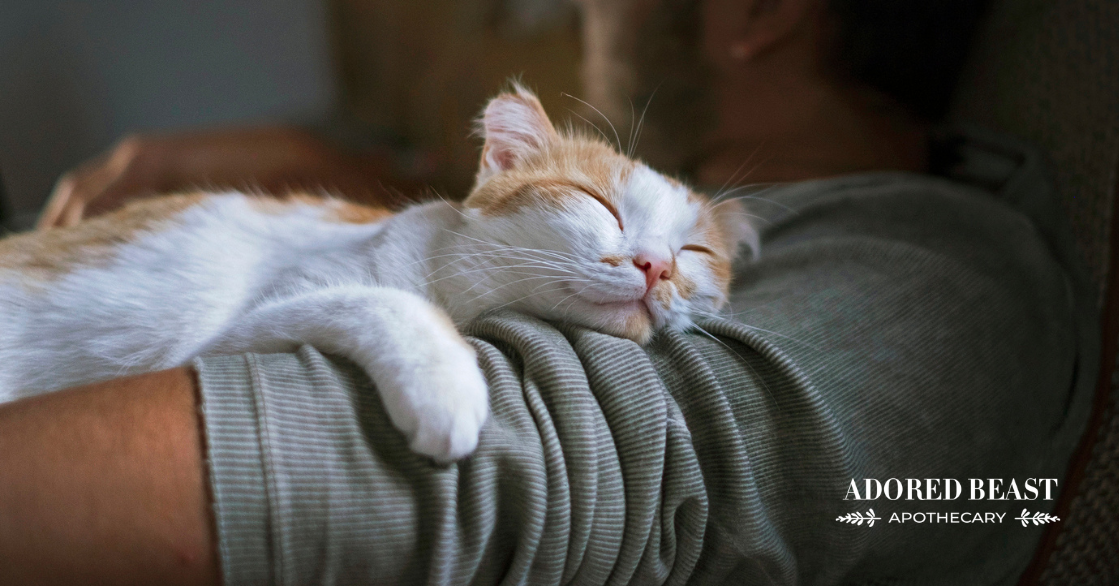
Just as with dogs, allergies are very common in cats, serving as one of their most frequent medical conditions. Sneezing, itchy skin, watery eyes, hives, and gastrointestinal upset are all signs your cat might be reacting to something in their environment or food.
While some pet parents (and vets) reach for conventional antihistamines, many pet parents want to explore natural options – especially for milder symptoms or as part of a holistic approach. Cats have unique metabolisms and sensitivities, so what’s fine for people or even dogs isn’t always safe for them. So, in this post, we’re focusing specifically on antihistamines for cats. Let’s help your kitty ditch the itch!
What is Histamine and Why Does it Matter?
Histamine is a chemical your body produces as part of a normal immune response. When a cat’s immune system encounters an allergen – like pollen, dust mites, mould, or something in their food – histamine is released from certain cells (mast cells and basophils).
In small amounts, histamine helps defend the body. It’s actually a good thing. However, histamine becomes a problem when a cat’s immune system overreacts to harmless substances. Common triggers include:
- Environmental allergens: pollen, smoke, dust, mold
- Flea bites: flea allergy dermatitis is very common
- Food sensitivities
- Chemical irritants
- Seasonal allergies
When too much histamine is released, it causes those allergy symptoms that we’re all familiar with, including:
- Itchy, inflamed skin
- Sneezing and runny nose
- Watery, itchy eyes
- Coughing or wheezing.
- Hives or swelling
- Digestive upset
These symptoms are the result of histamine’s effects on blood vessels, nerves, and tissues. Chronic histamine responses can damage skin and disrupt quality of life. Constant itching leads to overgrooming, hair loss, infection, irritability, and discomfort. So, it only makes sense to want to calm down the release of histamine in the body.
Natural Antihistamines for Cats
An antihistamine works by blocking histamine receptors or reducing histamine release, helping relieve uncomfortable symptoms. Below is a list of natural antihistamines for cats that can really help with those pesky allergic symptoms. For each, you’ll find what it is, how it works, and safe ways to use it.
1. Quercetin – “Nature’s Benadryl”
Quercetin is a plant flavonoid found in foods like apples, berries, and leafy greens. It works by stabilizing mast cells so they release less histamine, and it also acts as an antioxidant. We know most cats are not fans of fruits and veggies, so look for a cat- or pet-specific allergy supplement and follow the directions on the label.
Benefits: Anti-itch, anti-inflammatory, gentle on the digestive tract.
2. Bromelain
Bromelain is an enzyme from pineapple stems (not the fruit itself). It helps boost the absorption of quercetin in the body and can also reduce inflammation caused by allergic reactions. Bromelain is particularly helpful for soothing irritated skin and relieving swelling in cats with allergies. You’ll typically find it included in combination allergy formulas, but it’s also contained in our Healthy Gut pre- and probiotic formula.
Benefits: Reduces swelling and enhances antioxidant action.
3. Omega-3 Fatty Acids
Omega-3 fatty acids are healthy fats found in things like fish oil and algae oil. They’re well-known for targeting and reducing inflammation (it’s why they’re popular for joint issues). For allergies specifically, reducing inflammation helps ease itchy skin and stabilize cell membranes (including mast cells). Just be mindful that fish oil often goes rancid quickly, and it isn’t a sustainable option. Our Potent-Sea is made from algae oil – it’s a potent source of omega-3s that doesn’t harm the oceans!
Benefits: Improves skin barrier health, glossy coat, supports immune response.
4. Nettle Leaf (Urtica dioica)
Nettle leaf is an herb traditionally used to support seasonal allergies in people. It works by mildly blocking histamine release. It also acts as an anti-inflammatory and is rich in antioxidants, which protect the cells. Nettle leaf is available in dried or powdered form (avoid it fresh – raw nettle isn’t safe for cats). It can be added right to your cat’s food. If you buy a human supplement, make sure it doesn’t contain anything but nettle leaf, and consider the dosage as for a 150lb human and convert it to meet your cat’s weight.
Benefits: Gentle support for seasonal allergy flare-ups.
5. Calendula
Calendula is a flower in the daisy family, with common names that include pot marigold, marigold, garden marigold, and Mary bud. It has well-known soothing properties and is commonly used topically by humans, and for dogs and cats! Its anti-inflammatory and antimicrobial properties make it ideal for calming irritated skin, plus, calendula is also high in antioxidants!
For allergies, add 8 tbsp of fresh calendula or 4 tbsp of dried to a teapot. Add a quart of boiling water. Let it steep for 20 minutes, then strain out the herb and let it cool. Keep it in the fridge and make a fresh batch every few days. You can spray it on your pet to help relieve itchy or irritated skin! Let it dry on the skin – don’t wipe it off. Our Skin HEALth Spray features calendula, along with hypericum, horsetail, hydrates, and green tea. It’s a soothing topical spray for both dogs and cats, for healing and soothing insect bites, hot spots, burns, wounds, skin abrasions, and more.
Benefits: Supports healing of itchy, inflamed skin.
6. Probiotics
We often forget about the role the gut plays in allergies, but it’s a big one, and that’s why probiotics are on this list of natural antihistamines for cats! Probiotics are beneficial bacteria that support gut health, and a healthy gut can regulate immune function and reduce inappropriate immune responses (like allergies). In this case, we recommend Felix’s Flora, our breakthrough species-specific probiotic for cats!
Benefits: Better digestion + immune support.
Natural antihistamines for cats can be a great part of managing mild allergy symptoms in our favoured felines. They can help reduce inflammation, calm the immune response, and improve overall comfort. Turn to Mother Nature to help relieve the symptoms of an overproduction of histamine, and ditch that itch!