
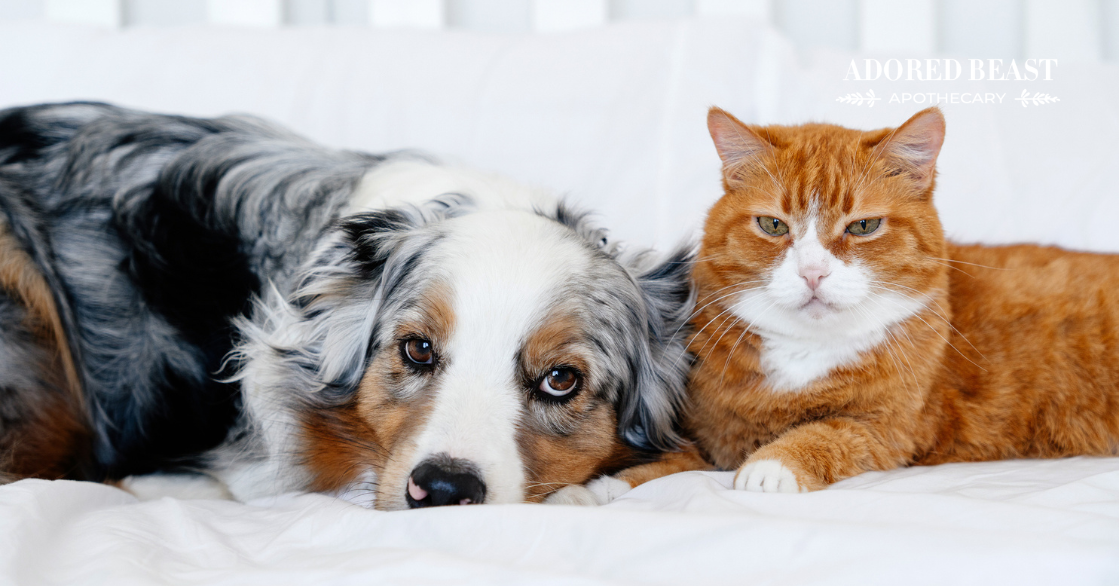
When we think about our pets’ health, we usually focus on high-quality food, exercise, healthy supplements, and reducing stress. We think about all the things in their environments that can cause them harm… But one huge factor often gets overlooked: the air they breathe.
Does air quality affect dogs and cats? Absolutely, it does! Just as poor air can hurt us, it can also hurt our adored beasts.
In fact, our pets breathe the same indoor air we do, but because they’re smaller, closer to the floor, and breathe faster than humans, poor air quality can impact them even more.
Let’s look at what’s floating around in your home, how it can affect your pets, and what you can do to improve it.
How Poor Indoor Air Quality Affects Dogs and Cats
We all know that things outside, such as pesticides or wildfire smoke, are harmful to our animals. The thing is, indoor air can sometimes be 2–5 times more polluted than outdoor air. That pollution doesn’t just irritate humans; it can also lead to health problems for our pets, including:
- Sneezing, coughing, or wheezing
- Watery eyes and nasal discharge
- Itchy skin and paws
- Worsening allergies
- Fatigue or lower energy levels
- Aggravated asthma or respiratory disease
- Increased risk of long-term lung and immune issues
For flat-faced (brachycephalic) breeds like bulldogs, pugs, Persian cats, and Himalayans, poor air quality can be especially dangerous because they already struggle with breathing.
Does poor air quality affect dogs and cats long-term? Yes, it can. Long-term exposure to polluted indoor air has been linked to:
- Chronic bronchitis
- Worsening heart and lung disease
- Suppressed immune function
- Higher allergy sensitivity
- Faster aging of the respiratory system
This is why improving air quality isn’t just a comfort upgrade – it’s a real investment in your pet’s long-term health!
Common Indoor Air Pollutants That Can Harm Pets
You might be surprised by how many everyday items release toxins into the air.
1. Chemical Cleaning Products
We all love a clean house, but if the cleaners we’re using are putting our animals in danger, is it worth it? Heck no! In fact, when it comes to common household hazards for pets, cleaners are the worst offenders. Household cleaners contain so many different toxic chemicals that can really harm our pets. Many sprays, wipes, and disinfectants release volatile organic compounds (VOCs). These can irritate your pet’s lungs and trigger asthma-like symptoms.
To avoid the risk, consider switching to more natural options. You can find a few here!
2. Air Fresheners and Scented Products
Scented candles, plug-ins, air fresheners, incense, wax melts, and scented room/fabric sprays can contain chemicals that are harmful if inhaled by pets. These include phthalates and synthetic fragrances, which can be toxic when inhaled, especially for cats.
Thankfully, there are many companies now focusing on animal-friendly options, so go for one of those natural alternatives – look for soy, coconut, or beeswax candles, unbleached cotton, hemp, or wooden wicks, and scented with pure essential oils. Check them carefully or avoid them completely. And remember to always use them in well-ventilated areas.
3. Smoke
Any smoke in the air isn’t good. The first one on the list pretty much goes without saying, but sometimes we forget about the others:
- Cigarette and vape smoke
- Wood-burning fireplaces
- Cooking smoke without ventilation
Secondhand and thirdhand smoke cling to fur, floors, and furniture – right where pets live. Keep those fans going, open windows, turn on vents. Clear the air of any lingering smoke.
4. Dust, Dander, and Mould
Ohhhh allergies. These pollutants are a given as far as causing issues for our animals. Dust mites, pet dander, pollen, and mould spores are powerful triggers for allergies and respiratory issues in both dogs and cats.
5. Paints, Glues, and Renovation Materials
Planning a home renovation? Make sure your pet isn’t home, or, at the very least, keep them away from the reno area.
Things like fresh paint and adhesives release fumes that linger long after the project is finished. Paint fumes are dangerous for dogs and cats because their sensitive noses pick up harmful Volatile Organic Compounds (VOCs), causing respiratory irritation, dizziness, nausea, and even poisoning, so always move pets to a well-ventilated, fume-free area during painting and for a few days after, ensuring they avoid wet paint and only return when surfaces are dry and air is clear.
6. Kitty Litter
This is another one we tend to forget about. Some dogs are super interested in kitty litter, so if your dog likes to look for snacks in there, you want to make sure you’re using natural litter. But beyond that caution, all those fragrances, colours, and synthetic materials can trigger irritation in the respiratory tract. Check what’s in the container and opt for a more natural option.
Plus, clean it very regularly! The ammonia produced by decomposing cat urine can cause respiratory and other health issues.
Simple Ways to Improve Air Quality for Dogs and Cats
The good news? You don’t need expensive equipment to make a big difference.
1. Clean or Replace Air Filters Regularly. Your furnace, AC, and air purifier filters trap dust, dander, pollen, and toxins—but only if they’re clean. Tip: Change filters every 1–3 months, especially if you have pets that shed.
2. Switch to Natural, Pet-Safe Cleaners. Ditch harsh chemicals in favour of simple, safer alternatives like:
- Vinegar and water
- Baking soda
- Castile soap
- Lemon for grease-cutting
These clean effectively without filling your home with lung-irritating fumes.
3. Open Your Windows (When Weather Allows)
Fresh air is one of the easiest ways to reduce indoor pollution.
- Open windows for 10–30 minutes a day
- Create cross-ventilation if possible
- Especially helpful after cleaning, cooking, or painting
Even in winter, short bursts of fresh air can dramatically improve air quality.
4. Avoid Artificial Air Fresheners
Many air fresheners contain chemicals that build up in the body over time—especially dangerous for cats.
Avoid:
- Plug-ins
- Scented sprays
- Strong candles
- Wax melts
Instead, try:
- Opening windows
- Simmering citrus peels or cinnamon (out of pet reach)
- Using pet-safe essential oils only with proper dilution and ventilation
5. Add Pet-Safe Indoor Plants That Help Clean the Air
Some houseplants naturally help filter airborne toxins and are safe for pets when placed responsibly.
Pet-Safe Air-Purifying Plants:
- Spider Plant
- Areca Palm
- Bamboo Palm
- Boston Fern
- Calathea
- Parlor Palm
These plants can help reduce indoor toxins while adding moisture and oxygen to the air.
⚠️ Always double-check that plants are pet-safe – here’s our list.
6. Extra Air-Quality Tips for Pet Homes
- Vacuum with a HEPA filter
- Wash pet bedding weekly
- Groom pets regularly to reduce dander
- Avoid smoking indoors
- Use exhaust fans while cooking
- Keep humidity between 30–50% to prevent mould growth
Final Thoughts: Does Air Quality Affect Dogs and Cats?
Yes, air quality absolutely affects dogs and cats. What’s floating in the air inside your home can influence your pet’s breathing, skin, immune system, and overall comfort every single day.
By making a few small changes – cleaning air filters, skipping chemical cleaners, opening windows, avoiding artificial scents, and adding pet-safe houseplants – you can create a cleaner, healthier home for every species under your roof. Your pet may not be able to tell you when the air feels heavy or irritating, but their lungs will thank you for every breath of clean air you give them.