
An itchy dog is a common occurrence. For a variety of reasons, our canine companions get itchy – just like us! But when that itching becomes constant, it’s a concern…
If you’re searching for natural itch relief for dogs, you’re likely dealing with constant scratching, licking, chewing, and irritated skin. Itching isn’t just a surface problem – it’s a signal from the body that something is out of balance. Instead of simply suppressing the symptom, a holistic approach focuses on why your dog is itchy and how to support true healing.
Let’s look at the most common reasons dogs itch, and the natural options that can help.
Why Do Dogs Itch?
Itching (pruritus) is a symptom, not a diagnosis. There are several common underlying causes:
1. Environmental Allergies (Atopy)
Dogs can react to:
- Pollen
- Grass
- Dust mites
- Mold
- Household cleaners
When exposed, their immune system overreacts, triggering inflammation in the skin.
Common signs include:
- Paw licking
- Recurrent ear issues
- Red belly or armpits
- Seasonal flare-ups
2. Food Sensitivities
Food sensitivities often show up in the skin before anywhere else.
Common triggers:
- Chicken
- Beef
- Dairy
- Wheat
Unlike true food allergies, sensitivities may develop over time and are often linked to poor gut health or microbiome imbalance.
3. Parasites
Even one flea bite can cause intense itching in sensitive dogs.
Parasites to consider:
- Fleas
- Mites
- Mange
Addressing parasites is essential before expecting natural remedies to fully resolve itching.
4. Dry Skin and Environmental Stress
Cold weather, low humidity, frequent bathing, poor-quality diets, and synthetic grooming products can all disrupt the skin barrier, leading to dryness and irritation.
Natural Itch Relief for Dogs: Holistic Solutions
Rather than masking symptoms, these remedies aim to calm inflammation, repair the skin barrier, and rebalance the immune system.
1. Heal the Gut to Calm the Skin
The gut and skin are deeply connected. Around 70% of the immune system resides in the gut. When the microbiome is imbalanced, the immune system can become reactive — and itching often follows.
Gut health plays a major role in overall health. It:
- Supports immune regulation
- Reduces inflammatory responses
- Strengthens the skin barrier
- Improves nutrient absorption
Natural gut-supporting options:
Species-Specific Probiotics: Help rebalance beneficial bacteria and regulate immune responses. How to use: Follow weight-based dosing on the product label. Introduce slowly to avoid temporary digestive upset. Our Fido’s Flora is a great choice!
Fermented Foods (Dog-Safe Only): Plain kefir (if tolerated) or pet-formulated fermented vegetables can support microbial diversity. How to use: Start with ¼ teaspoon for small dogs and increase gradually.
Digestive Enzymes: Support proper breakdown of food, reducing inflammatory triggers from poorly digested proteins.
How to use: Add to meals according to weight guidelines. Our Healthy Gut does double duty with digestive enzymes and probiotics!
Slippery Elm: Soothes and supports the intestinal lining. How to use: Mix powdered slippery elm with warm water to form a gel and give separately from food or medications. You can find slippery elm in our Gut Soothe, which also features probiotics!
When the gut barrier is stronger, the immune system is calmer, and many dogs experience less itching over time.
2. Omega-3 Fatty Acids
Omega-3s are powerful natural anti-inflammatories. They help to:
- Decrease skin inflammation
- Improve moisture retention
- Support immune modulation
- Strengthen the skin barrier
How to Use:
- Choose a high-quality, purified fish oil or marine-based omega-3
- Dose according to body weight
- Introduce gradually to avoid digestive upset
- Store properly to prevent oxidation
Consistent use often leads to noticeable improvement in coat quality and itch reduction.
3. Quercetin (Nature’s Antihistamine)
Quercetin is a plant flavonoid that helps stabilize mast cells, which release histamine during allergic reactions. It can help to:
- Reduce itch response
- Calm inflammation
- Support seasonal allergy relief
How to Use
- Available in capsule or powder form
- Typically dosed based on weight
- Often combined with bromelain to improve absorption
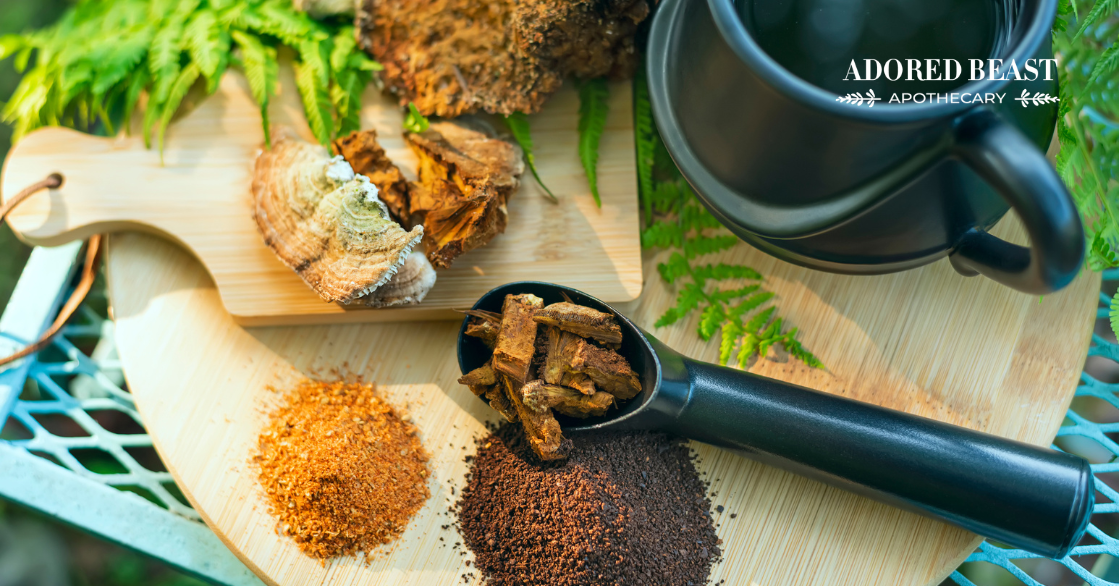
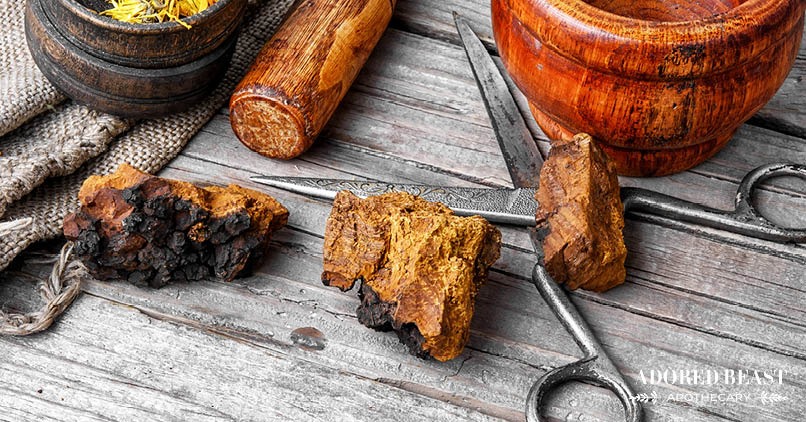
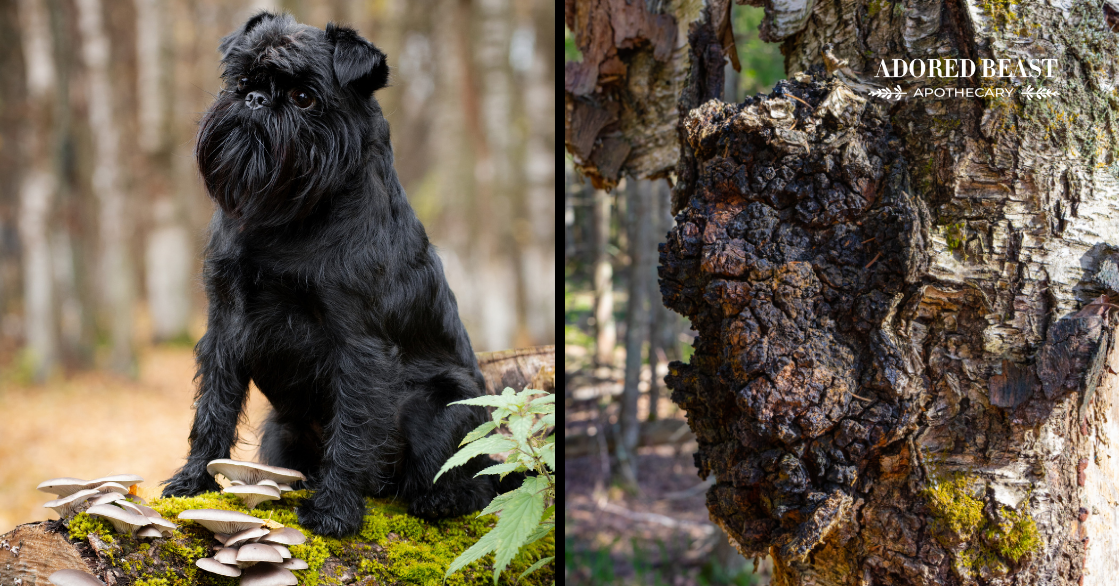
4. Medicinal Mushrooms for Immune Balance
Adaptogenic mushrooms help modulate – not suppress – the immune system. Helpful varieties include:
- Reishi
- Turkey tail
- Chaga
Why they work:
- Support immune balance
- Provide antioxidant protection
- Help reduce overactive inflammatory responses
Use pet-formulated mushroom blends and follow weight-based dosing instructions.
5. Topical Natural Relief
While internal healing is key, topical remedies can provide comfort during flare-ups.
1. Oatmeal Baths: Colloidal oatmeal creates a soothing barrier and reduces inflammation.
Instructions:
- Use plain, finely ground oats or colloidal oatmeal.
- Add to warm (not hot) bath water.
- Soak your dog for 10–15 minutes.
- Pat dry gently — do not rub.
Avoid over-bathing, as too many baths can dry the skin further.
2. Herbal Rinses (Chamomile or Calendula): These can help because they offer anti-inflammatory, antimicrobial, and skin-soothing properties.
Instructions:
- Steep 2–3 tea bags in 2 cups of hot water.
- Cool completely.
- Pour over itchy areas after bathing.
- Do not rinse out.
3. Coconut Oil (External Use): Helps to moisturize dry skin, offers mild antimicrobial support, and helps restore the skin barrier.
Instructions:
- Apply a thin layer to irritated areas
- Use sparingly to avoid clogged pores
- Distract your dog for 10–15 minutes to prevent immediate licking
6. Reduce Environmental Irritants
Sometimes natural itch relief for dogs begins with removing hidden triggers:
- Switch to fragrance-free laundry detergent
- Avoid synthetic air fresheners
- Use stainless steel food and water bowls
- Wash bedding weekly in hot water
- Wipe paws after outdoor walks
Reducing environmental burden can significantly calm immune overreaction.
[RELATED] Should you regularly bathe an itchy dog? Read this next!
The Bigger Picture: Supporting the Whole Dog
Chronic itching is rarely just “a skin issue.” It’s often connected to:
- Immune imbalance
- Gut dysfunction
- Environmental overload
- Nutrient deficiencies
When we:
- Heal the gut
- Reduce inflammation
- Support immune balance
- Strengthen the skin barrier
… we help the body respond more appropriately instead of reacting excessively.
Itching can be exhausting, for both you and your dog. True relief doesn’t come from simply suppressing symptoms. It comes from restoring balance.
By focusing on gut health, immune support, anti-inflammatory nutrition, and gentle topical care, you’re not just quieting the scratch – you’re building resilience from the inside out. And that’s the kind of relief that lasts.