In the past, we’ve shared several treat recipes for our canine companions – from healthy holiday treats to cooling summer recipes, our dogs are well covered when it comes to indulgences. But, we’ve been remiss! Our feline family members have gotten the short end of the stick…
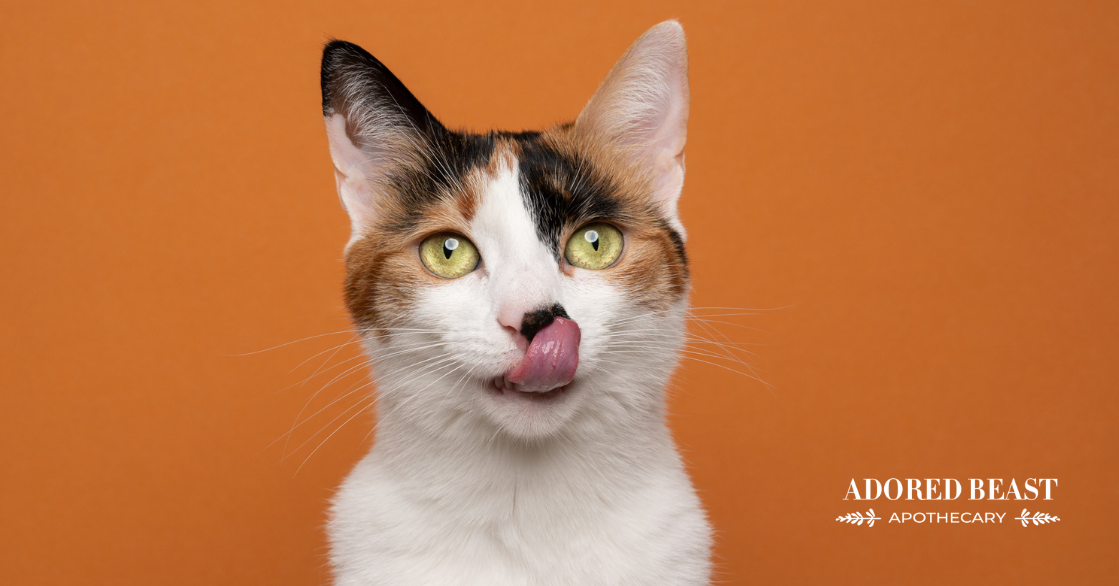
So today, we’re righting that wrong with some easy, healthy homemade cat treats you can make yourself. They’re packed with healthy ingredients, don’t require any time in the oven, and are perfect for even the pickiest pipsqueaks!
The Ingredients That Work for Cats
There are tons of different things you can put into homemade cat treats, but there’s a reason we chose the ones we did – and before we give you the recipe tiself, let’s talk about why we created it the way we did.
Together, these ingredients support digestive comfort, stable energy, and nervous system balance – all key factors in a calm, content cat. When the gut is happy, blood sugar is steady, and essential nutrients are readily available, many cats naturally become more relaxed, resilient, and emotionally settled.
1. Chicken or Turkey
Cats thrive on animal protein—not just for physical health, but for emotional balance too. Chicken and turkey provide essential amino acids like taurine (critical for heart, eye, and nervous system health) and tryptophan, an amino acid involved in serotonin production. Adequate protein helps stabilize blood sugar, which can reduce irritability, restlessness, and stress-related behaviors. A well-fed nervous system is a calmer nervous system, and clean, easily digestible protein plays a big role in that.
2. Pumpkin
Pumpkin is best known for digestive support, but gut health and emotional health are closely linked in cats. The gentle soluble fiber in pumpkin helps nourish beneficial gut bacteria, which in turn supports the gut–brain axis. When digestion is comfortable and regular, cats are often less anxious, less reactive, and more settled overall. Pumpkin can also help reduce tummy discomfort that may otherwise show up as pacing, vocalizing, or stress-related litter box issues.
3. Coconut Oil
In very small amounts, coconut oil provides medium-chain fatty acids that are easy to digest and quickly converted into energy—without taxing the liver or gut. Healthy fats are essential for brain and nerve function, and they support a shiny coat and healthy skin, which can reduce itch-related stress. Coconut oil may also help lubricate the digestive tract, supporting hairball movement, which can indirectly reduce discomfort-driven agitation.
4. Bone Broth
Bone broth is deeply nourishing for both the body and the nervous system. It contains amino acids like glycine, which is known for its calming and anti-stress properties, supporting relaxation and quality sleep. The gelatin and collagen in bone broth help soothe and protect the gut lining, which again supports the gut–brain connection. Warm, aromatic, and hydrating, bone broth is especially helpful for picky, stressed, or senior cats who need gentle comfort along with nutrition. You can make your own – it’s really easy. Here’s our recipe.
5. Catnip (Optional)
Catnip has a fascinating dual effect on many cats. While it can trigger playful energy initially, it often leads to a calming, relaxed state afterward. This is because catnip interacts with sensory pathways that influence emotional regulation. For some cats, it encourages stress release through play; for others, it promotes lounging, rolling, and contentment. Used in small amounts, catnip can support emotional enrichment and help anxious or bored cats unwind naturally.
No-Bake Homemade Cat Treats
These soft little bites are made with whole, real ingredients that support digestion, skin health, and overall vitality – perfect for cats who prefer fresh, lightly scented foods.
Ingredients:
- ¼ cup cooked, plain chicken or turkey (finely shredded or puréed)
- 1 tablespoon organic pumpkin purée (plain, no spices)
- 1 teaspoon virgin coconut oil (melted)
- 1–2 teaspoons bone broth (unsalted, onion-free, garlic-free)
- ½ teaspoon powdered catnip (optional but fun)
Directions
- Add all ingredients to a small bowl or food processor.
- Mash or blend until you have a thick, smooth paste. Add bone broth slowly until the mixture holds together but isn’t runny.
- Scoop out ¼–½ teaspoon portions and roll into tiny balls or flatten into soft nibble-sized bites.
- Place on a parchment-lined plate and refrigerate for 30–60 minutes to firm up.
- Store in an airtight container in the fridge for up to 3 days, or freeze for longer storage.
- Offer 1 treat per day for smaller cats, up to 2 treats per day for larger cats.
**Makes about 12–15 small treats
These healthy, homemade cat treats are a great complement to a balanced diet – and they’re especially great as a high-value reward, enrichment snack, or “just because” moment. Enjoy!