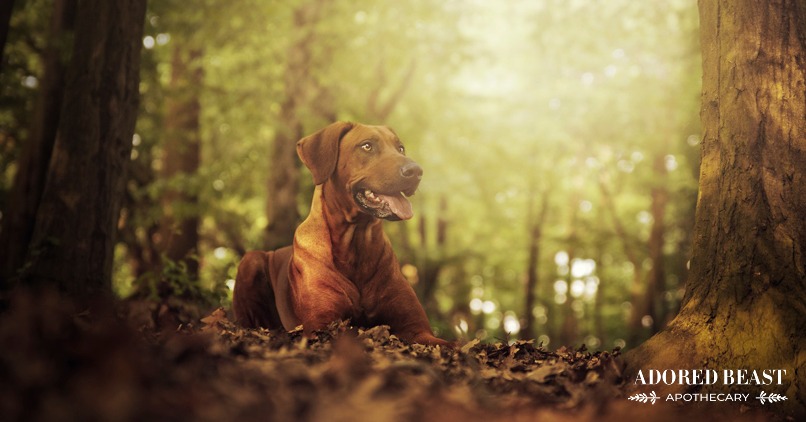

Dogs are weird – I think we can all agree on that. Sometimes their behaviour makes no sense and leaves us shaking our heads. And often this behaviour has a lot to do with what they eat: grass, poop, toys… and maybe even dirt.
If you catch your dog happily munching on a mouthful of dirt, you may find yourself wondering: why do dogs eat dirt? While it may seem strange (and definitely not like a normal snack!), dirt eating is actually a fairly common behaviour in dogs. What’s behind it (and can you stop it)? Let’s dig in!
Why Do Dogs Eat Dirt?
Why do dogs eat dirt? Unfortunately, there’s no single, agreed-upon reason why dogs eat dirt (that’d be too easy, right?). There are several possible explanations, ranging from simple curiosity to underlying health concerns. Understanding the possible cause can help you figure out the best way to discourage the behaviour.
1. Curiosity and Exploration
Dogs experience the world through their noses and mouths. Digging, sniffing, and tasting are all natural behaviours. Dirt contains all kinds of interesting smells – from insects and plants to traces of other animals – that can be fascinating to a dog.
Puppies, especially, may eat dirt because they are exploring their environment and learning what things are.
If your dog takes the occasional bite of dirt while digging or sniffing, it may simply be curiosity.
2. Boredom or Lack of Enrichment
Sometimes dogs eat dirt because they have nothing better to do.
Digging and eating soil can become a self-rewarding activity, especially for dogs who:
- Don’t get enough physical exercise
- Need more mental stimulation
- Spend a lot of time alone outside
- Are naturally driven to dig or forage
Dogs are problem-solvers, and searching through dirt can feel like a fun game.
3. Instinct and Foraging Behaviour
Before dogs lived alongside humans, their wild ancestors had to search for food. Digging through soil and consuming small amounts of plant material, roots, insects, or minerals may have been part of normal foraging behaviour.
Some dogs may still have that instinct to investigate and consume things they find in the ground.
4. Nutritional Imbalances
One theory behind dirt eating is that some dogs may be trying to seek out missing nutrients or minerals.
While dirt eating does not necessarily mean your dog has a deficiency, dogs who are not getting a balanced diet may sometimes develop unusual eating behaviours.
If your dog suddenly starts eating dirt frequently, it is worth looking at their overall nutrition, including:
- The quality of their diet
- Variety of foods
- Digestibility
- Whether they are getting enough vitamins and minerals
5. Upset Stomach or Digestive Discomfort
Some dogs may eat dirt as a way to soothe digestive discomfort. Similar to how dogs sometimes eat grass, dirt may be an attempt to settle their stomach or change how they feel.
However, eating dirt can actually make digestive problems worse, so frequent dirt eating should not be ignored.
6. Pica or an Underlying Health Issue
Persistent eating of non-food items (like dirt, rocks, fabric, or other objects) is called pica.
Pica can sometimes be linked to:
- Nutritional deficiencies
- Digestive issues
- Parasites
- Anxiety or stress
- Certain medical conditions
If your dog is regularly eating large amounts of dirt, it is a good idea to speak with your veterinarian to rule out health concerns.
Is Eating Dirt Bad for Dogs?
A tiny amount of clean dirt may not cause a problem for many dogs, but regular dirt eating can come with risks. It’s not something you really want to just “let happen” on a frequent basis.
1. Parasites and Bacteria
Soil can contain:
- Parasite eggs
- Worm larvae
- Bacteria
- Fungi
These can potentially cause illness, especially if the dirt has been contaminated by animal waste.
2. Chemicals and Toxins
Dirt is not always just dirt. Soil may contain traces of:
- Fertilizers
- Herbicides
- Pesticides
- Lawn treatments
- Cleaning chemicals
These substances can be harmful when ingested.
3. Stomach Upset
Eating dirt can lead to:
- Vomiting
- Diarrhea
- Constipation
- Abdominal discomfort
Large amounts can irritate the digestive system.
4. Blockages
Some dogs do not stop at dirt. They may also swallow rocks, sticks, roots, or other debris mixed into the soil.
These materials can create a risk of intestinal blockage, which can become a serious medical emergency.
How to Stop Your Dog From Eating Dirt
The best way to stop dirt eating depends on why your dog is doing it.
If It’s Curiosity
For dogs who are just exploring:
- Redirect them with a toy or game
- Reward them when they move away from the dirt
- Teach a strong “leave it” cue
- Supervise outdoor time
The goal is to make choosing something else more rewarding.
If It’s Boredom
Increase physical and mental stimulation by adding:
- Longer walks
- Sniffing games
- Puzzle toys
- Training sessions
- Playtime
- Food enrichment activities
Foraging games can be especially helpful because they give dogs a safe outlet for their natural searching behaviours.
If It’s a Nutrition Concern
Make sure your dog is eating a balanced, species-appropriate diet.
You may want to consider:
- Adding more variety when appropriate
- Including nutrient-rich whole foods
- Discussing diet with your veterinarian or a pet nutrition professional
A healthy gut also plays an important role in nutrient absorption, so digestive support may be helpful for some dogs.
If It’s Stress or Anxiety Related
Some dogs develop unusual behaviours when they are stressed.
Look for possible triggers like:
- Changes in routine
- Separation anxiety
- Lack of rest
- Too much stimulation
Supporting your dog’s emotional wellbeing through routine, exercise, enrichment, and calming activities can help.
If It’s Habit
Sometimes dirt eating becomes a learned behaviour.
In these cases:
- Limit access to favourite digging areas
- Keep your dog on leash in tempting areas
- Interrupt calmly before they start eating
- Reward alternative behaviours
Avoid punishment, as it can increase stress and make the behaviour worse.
When to Talk to Your Vet
Occasional dirt tasting may not be a major concern, but contact your veterinarian if your dog:
- Eats dirt frequently or in large amounts
- Suddenly starts eating dirt
- Also eats other non-food items
- Has vomiting, diarrhea, weight loss, or changes in appetite
- Seems tired or unwell
Your veterinarian can help rule out medical causes and make sure your dog’s health is supported.
So, why do dogs eat dirt? The answer is: there isn’t one simple explanation.
Some dogs are curious, some are bored, and some may be following natural instincts. Others may be trying to communicate that something is off.
Pay attention to how often your dog does it, how much they eat, and what else is happening in their life. Once you understand the possible cause, you can choose the right approach to help them leave the dirt where it belongs – on the ground!